
Glacier National Park: Everything you need to plan your perfect trip
Glacier National Park is one of North America’s most precious natural gems. Designated a UNESCO World Heritage Site in 1995, it is also part of the Waterton-Glacier International Peace Park Biosphere Reserve, shared with Canada. This international recognition underlines its ecological importance and exceptional beauty.
General information
Established in 1910 by President William Howard Taft, the park covers an impressive 4,101 km². It is located in northwestern Montana, on the border with Canada, where it joins Waterton Lakes National Park.
The park is bordered by the Rocky Mountains, the Flathead lake and the Blackfeet Indian Reservation. Its unique geographic position makes it a crossroads of diverse ecosystems, between prairie and high mountain.
Ecosystem and biodiversity
Glaciers
The park takes its name from the many glaciers that dot it, although their numbers have declined considerably over the years. Of the 150 glaciers recorded in 1850, only 20 remain today. The most famous, Jackson Glacier, can easily be seen from Going-to-the-Sun Road.
Biodiversity
The park is home to exceptional wildlife, including
- Grizzly and black bears
- Mountain goats
- Elk and mule deer
- Over 260 species of birds
The flora is equally remarkable, with over 1,000 species of plant, including many rare alpine flowers.
Geology
The park’s spectacular topography is the result of geological processes dating back millions of years. The mountains were sculpted by glaciers during the Ice Ages, creating characteristic U-shaped valleys and impressive glacial cirques. The park’s sedimentary rocks, among the best preserved in the world, date back to the Precambrian period and tell the story of over a billion years of geological history.
Things to do in Glacier National Park
Glacier National Park, located in the state of Montana, offers a multitude of activities for nature and adventure lovers. Whether you’re a hiking enthusiast, a wildlife watcher, or simply looking for spectacular scenery, this iconic park offers memorable experiences in every season.
Hiking: Explore over 1,100 km of marked trails
Hiking is one of the most popular activities in the park. With over 1,100 kilometers of marked trails, there’s something for everyone, from casual walkers to seasoned hikers. Among the must-sees is the Highline Trail, offering breathtaking panoramas and total immersion in the alpine environment. The Iceberg Lake Trail, meanwhile, takes visitors to a glacial lake surrounded by towering mountains, where chunks of ice often float even in summer.
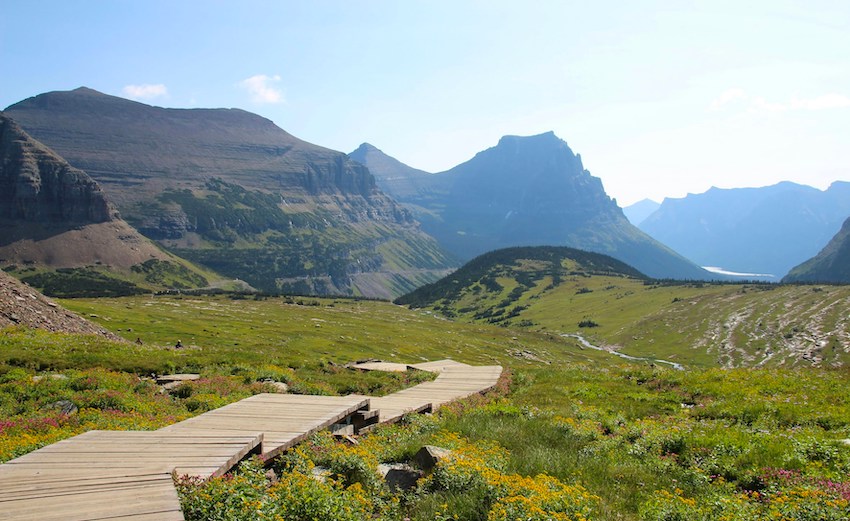
The Hidden Lake Overlook is perfect for admiring the striking beauty of a crystal-clear lake nestled in a mountainous landscape, accessible after a short climb.
You can also hike to Whitefish Mountain Resort. The Whitefish Mountain Resort trail network offers routes for all levels, from leisurely strolls to more technical hikes. The trails wind through dense forests, past flowering alpine meadows and offer spectacular views of the surrounding mountains and Flathead Valley.
Wildlife viewing: Meet the wild animals
The park is a sanctuary for a wide variety of wildlife. Visitors have the opportunity to observe majestic moose along lake shores in the early morning or at dusk. In the open meadows, deer and grizzly bears can sometimes be spotted from a safe distance.
Alpine areas, especially around Logan Pass, are home to mountain goats, which move easily over steep terrain. To maximize your chances of encounters, choose quiet times of day, when human activity is reduced.
Sailing: Enjoy the glacier lakes
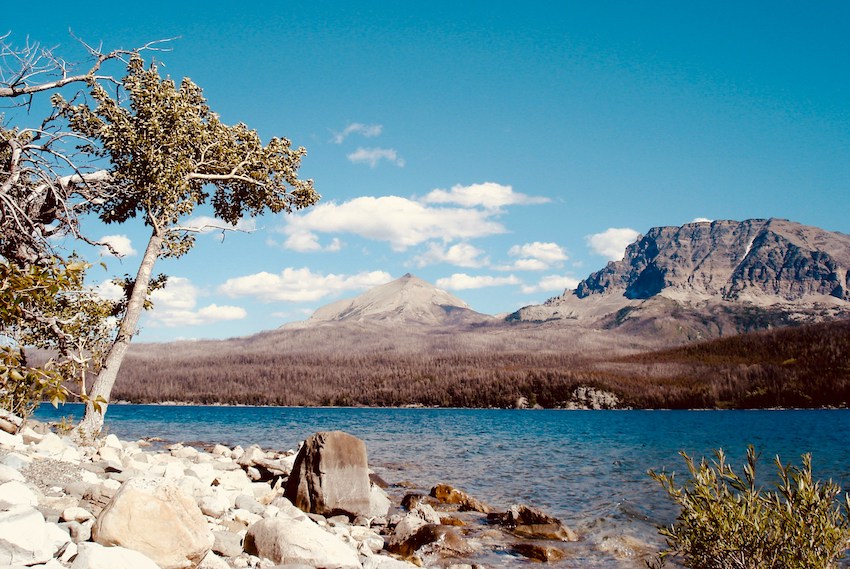
The crystal-clear waters of Glacier National Park offer exceptional opportunities for boating enthusiasts. A cruise on Lake St. Mary is a relaxing experience that allows you to contemplate the surrounding mountains from a unique angle.
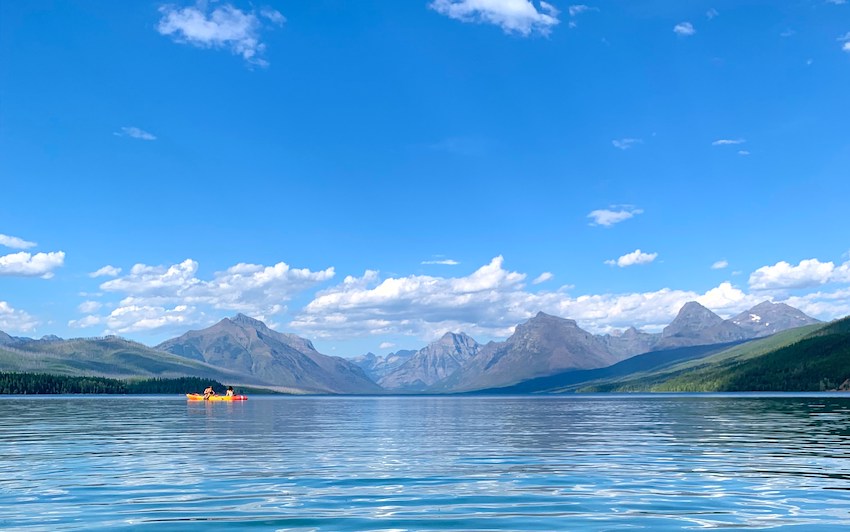
If you prefer a more active pursuit, kayaking on Lake McDonald, the park’s largest, is an ideal option for exploring the shores and enjoying the calm waters.
Panoramic route: Going-to-the-Sun Road
Considered one of the most beautiful scenic drives in the world, the Going-to-the-Sun Road crosses the park for some 80 kilometers.
Generally open from July to September due to weather conditions, it offers spectacular views of mountains, valleys and waterfalls. Must-see stops include Logan Pass, the road’s highest point, and other lookouts offering views of glaciers and flower-filled meadows.
Seasonal activities: Summer and winter fun
In summer, the park is a prime destination for camping, fishing and hiking. Set-up campsites allow you to spend the night in the heart of nature, while the rivers and lakes offer excellent fishing spots. In winter, the park is transformed into a paradise for Nordic sports enthusiasts, with cross-country ski trails and snowshoe trails. This period is ideal for those wishing to discover a quieter, snow-covered Glacier National Park.
How to get from Whitefish to Glacier
To get to Glacier National Park from the town of Whitefish, you have several options, depending on your preferences and needs. The car is generally recommended for its flexibility and speed.
Taking US-2 East, it takes just 30 minutes to reach the park’s western entrance, some 45 kilometers away.
The Apgar Visitor Center, a popular starting point for many excursions, is around 35 minutes away.
For those wishing to take the famous Going-to-the-Sun Road, allow around 40 minutes from Whitefish to reach this exceptional scenic route.
If you don’t have your own car, seasonal shuttle services are also available from Whitefish. These convenient services allow you to reach the park without having to worry about driving or parking. It is advisable to book in advance, especially in high season when demand is high.
The best time to visit is from July to September, when the Going-to-the-Sun Road is fully open and the weather is at its mildest. Book your accommodation several months in advance if you plan to stay in the park, as lodges and campsites fill up quickly.